
Gideon Training Solutions
Forged Through Discipline
Gideon Training Solutions
Forged Through Discipline
Home Defense
A firearm is one layer of a complete home defense strategy. This guide covers perimeter deterrence, entry hardening, interior protocols, firearm readiness, and the communication element most people skip.
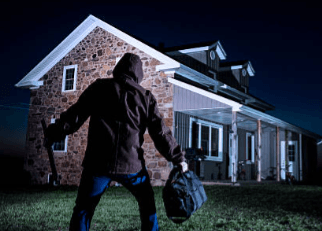
A single point of defense is a single point of failure. Professional security professionals — and military units — have understood this for decades. Layered defense means that an intruder must defeat multiple, independent obstacles before reaching you. Each layer buys you time, and time is what you need to communicate, position, and if necessary, act.
Think of your home as concentric rings. The outermost ring is your property perimeter. The next is your entry points (doors, windows, garage). The next is your living spaces. The innermost ring is your bedroom or designated safe room. Your goal is to make each ring as difficult to defeat as possible, while ensuring that if any ring fails, the next one holds long enough for help to arrive.
Most home invasions are crimes of opportunity. Deterrence works.
Motion-activated lighting eliminates the darkness that conceals approach. Place lights on all exterior entry points, especially the back of the house. Smart cameras with real-time alerts mean you know someone is approaching before they reach your door. Visible camera housings deter even when no one is watching.
Landscaping matters more than most homeowners realize. Overgrown shrubs near windows and entry points provide concealment for intruders. Keep lines of sight clear. Thorny plants (roses, hawthorn, pyracantha) under windows add a passive barrier that costs nothing to maintain once established.
A visible home security sign or decal — even if the system is monitored — meaningfully increases deterrence. Criminals choose the path of least resistance.
Your front door is your first real obstacle — and most residential front doors are far less secure than owners assume.
Door frames are the weakest link. A standard door with a standard bolt is only as strong as the frame it latches into. Strike plate reinforcement kits (available for under $30) extend the attachment screws deep into the structural framing rather than just the door casing — this single upgrade turns a kick-in from three kicks to twenty.
Sliding glass doors need a security bar in the track — a cut-down wooden dowel works perfectly. Pin windows that are adjacent to door locks (a drilled pin prevents the window from being opened even if the latch is defeated). Consider door barricade bars for your bedroom door; they require no installation and resist tremendous force.
Garage doors are a common point of neglect. The emergency release cord is accessible from outside with a simple wire hook through the top of the door seal — a zip-tie through the release prevents this. Review your garage door's security before your next evaluation.
Your household needs to know what to do before the emergency, not during it. Under stress, complex decision-making collapses. Simple, rehearsed protocols survive.
Designate a rally point — typically the master bedroom or a central interior room — where all household members go when an alarm sounds or a breach is suspected. This room should have: a charged phone, a way to communicate with 911, a door that can be barricaded, and any defensive tools you have prepared.
Establish a family code word that, when said, means "go to the rally point immediately, no questions." Rehearse it. Children can learn this as young as five years old.
Create a communication plan for when household members are in different parts of the house. Text first; a ringing phone creates noise and divides attention.
A firearm in a home defense context must be accessible when needed and secure when not. These are not mutually exclusive.
Quick-access biometric or RFID safes can be mounted on a nightstand or inside a nightstand drawer and opened in under two seconds. They prevent unauthorized access while keeping your firearm available in an emergency. Choose a safe that opens with one hand in the dark — test it blindfolded before relying on it.
A home defense handgun or shotgun should be stored with the chamber loaded if you have the training and discipline to maintain that standard safely. If you have questions about readiness conditions, address them directly in training.
Weapon lights are not optional on a home defense firearm. You will not be able to identify your target in a dark house without one. Mounting a dedicated light to your home defense firearm eliminates the need to juggle a handheld light under stress.
The single highest-value thing you can do in a home invasion scenario is call 911 early and stay on the line. Law enforcement arriving while the threat is in progress changes every variable in your favor.
Practice saying your address clearly under stress — people often fumble their own address in an emergency call. Know the nearest cross streets.
If you have called 911, announced yourself to law enforcement, and they are on the way, your job becomes containment and communication — not engagement. Wait for help. A home invasion ends in seconds; your legal defense lasts years.
Related Courses
Reading about home defense is step one. Training in controlled scenarios is step two. Our Home Defense Fundamentals course covers all of this live.
Home Defense Fundamentals
Firearms Safety & Fundamentals