Gideon Training Solutions
Forged Through Discipline
Gideon Training Solutions
Forged Through Discipline
Training & Knowledge Center
Articles, training tips, scenario discussions, and downloadable resources — organized by topic and updated regularly. Your starting point for everything firearms education.
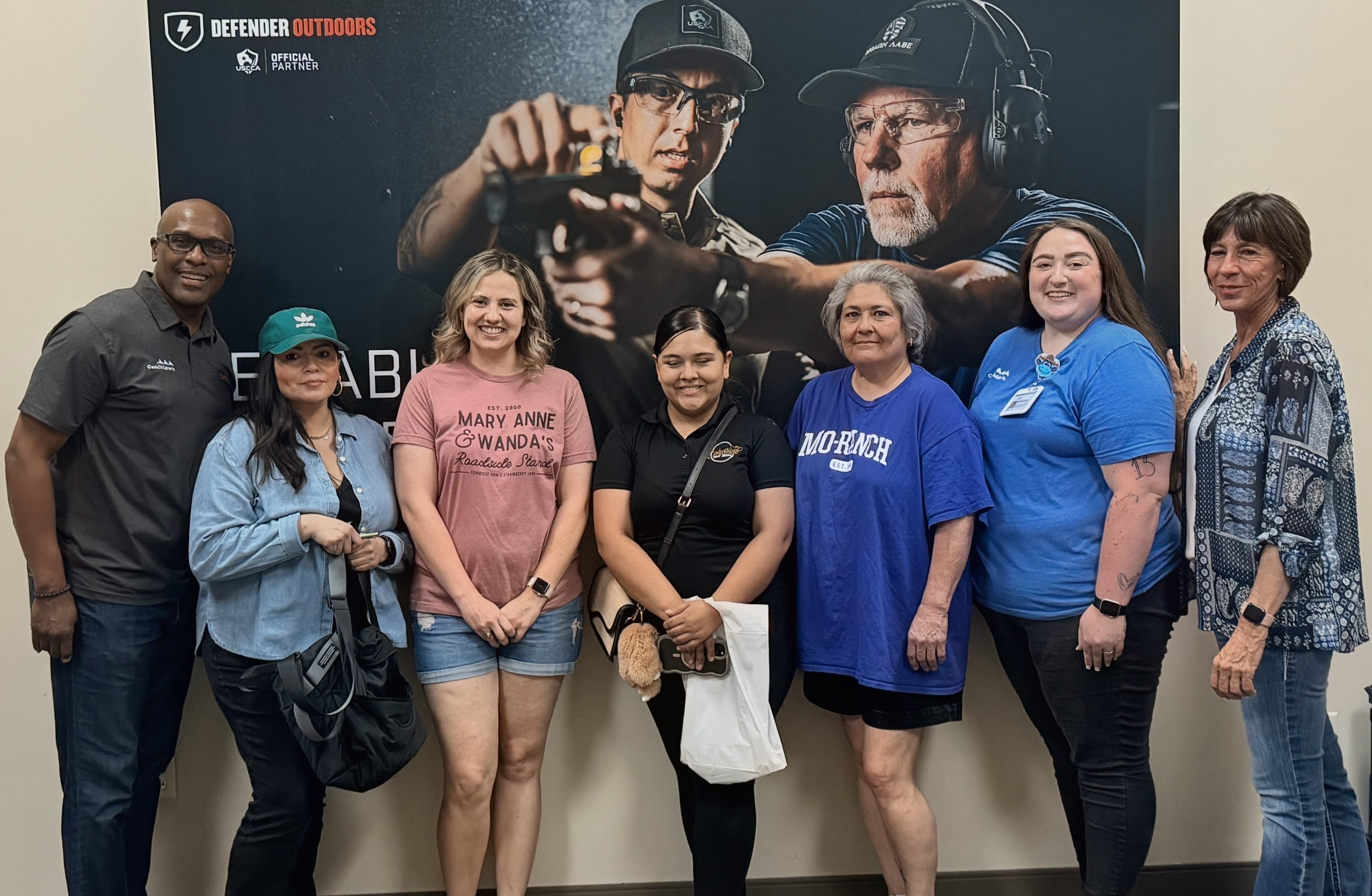
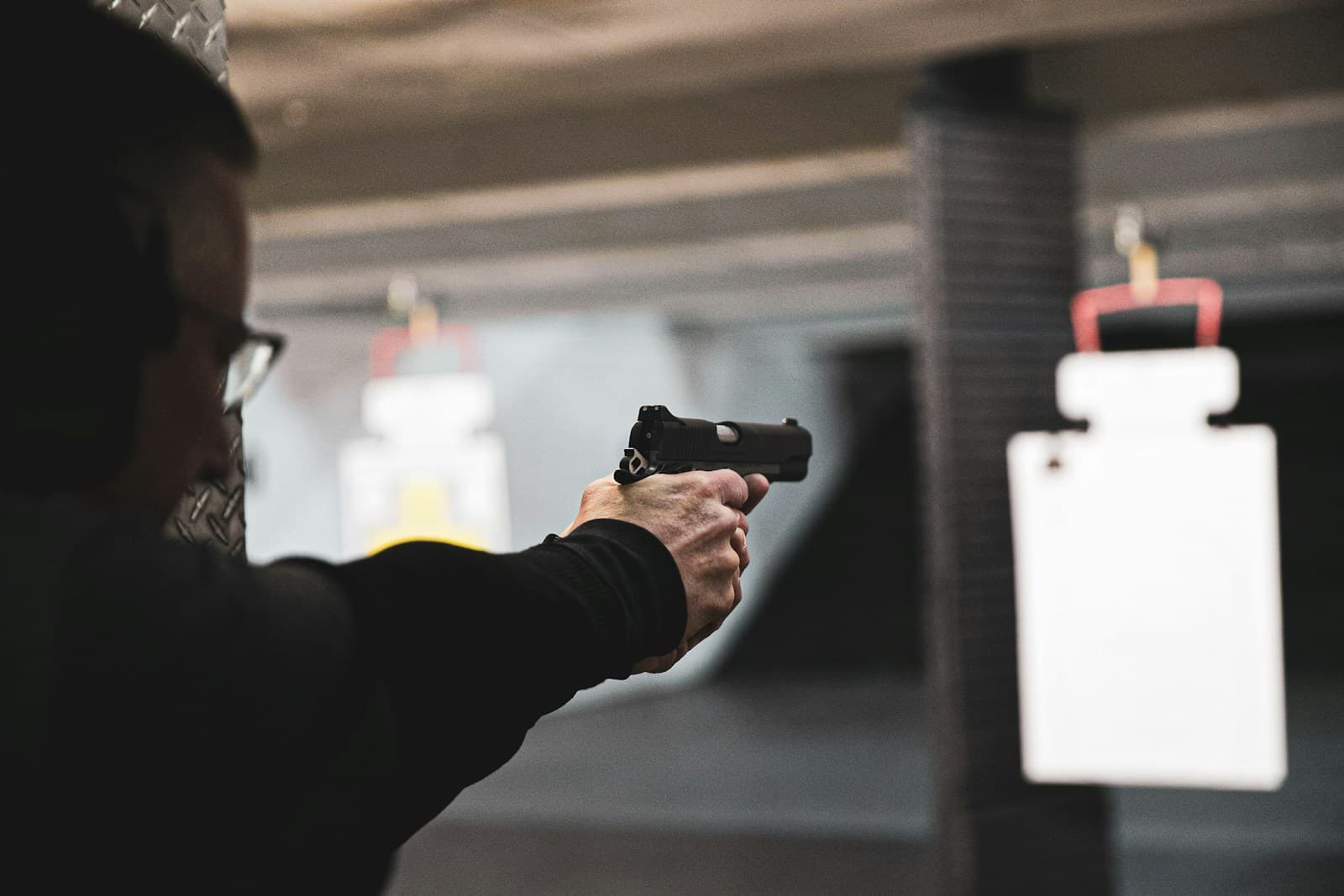
The Training & Knowledge Center is your hub for firearms education, safety resources, scenario training, and professional development content. Browse by topic, watch instructor videos, and download reference guides — all designed to make you a more capable, confident, and responsible gun owner.
Articles & Guides
Filter by category or browse all articles. New content added regularly.
 Beginner
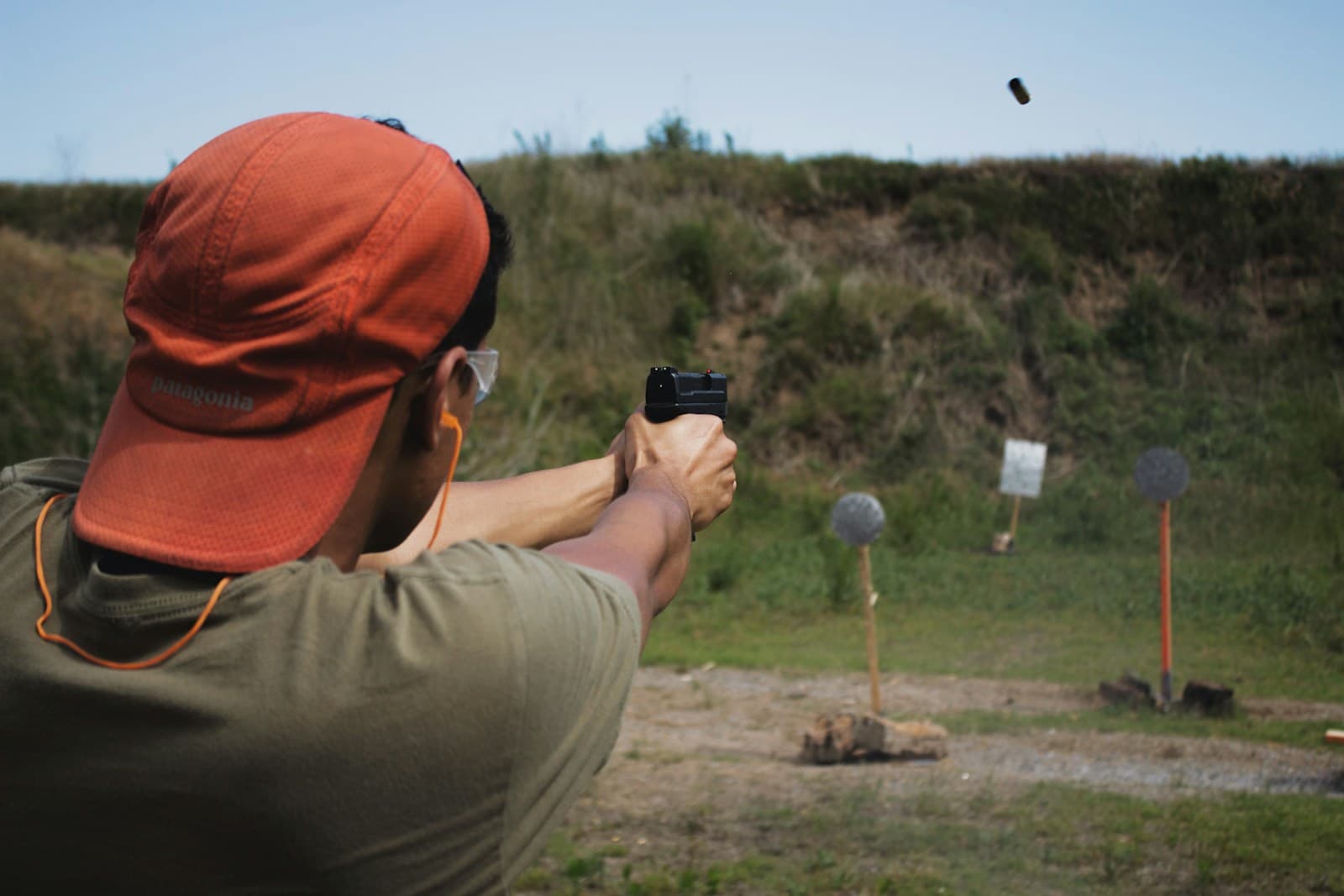
Buying your first firearm is only the beginning. This guide covers safe storage, choosing the right training, handling, maintenance, and the laws every new owner must know.
Read Article Essential
A firearm is one layer of a complete home defense strategy. Learn how to integrate physical security, communication, lighting, and safe rooms into a plan your whole household understands.
Read Article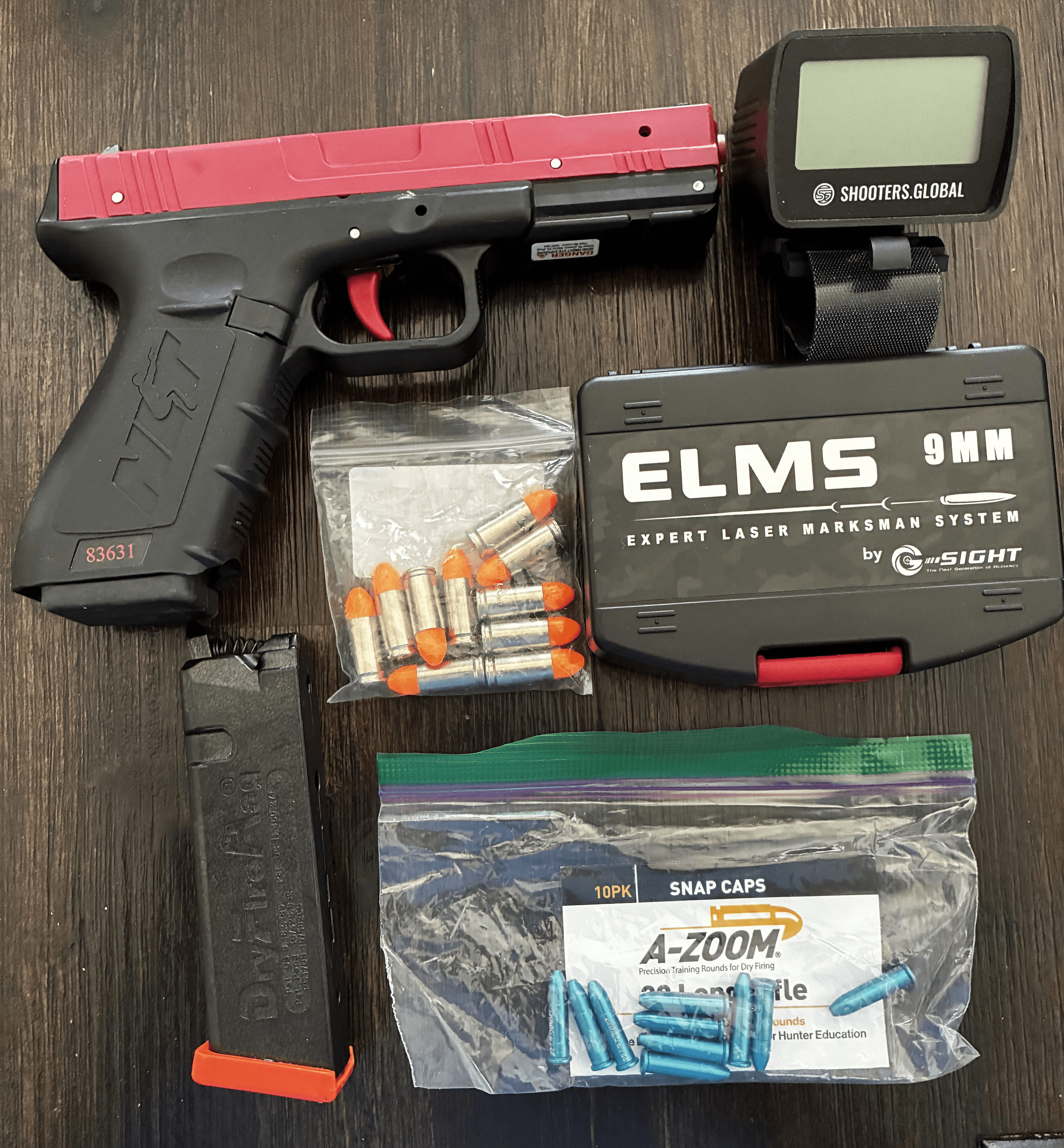 Gear Guide
From biometric safes to weapon lights to chambered-round protocol, here is everything you need in your home defense toolkit — and how to deploy it under stress.
Read Article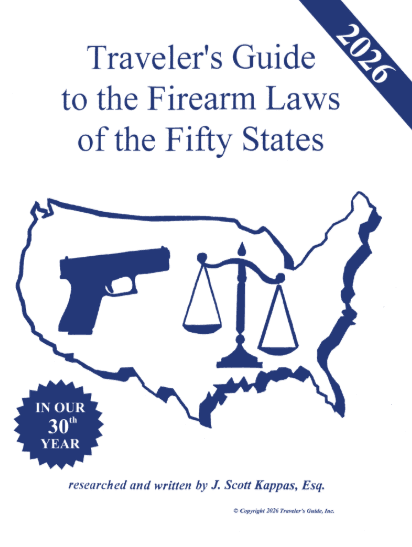 Legal
LegalTexas is one of the most gun-friendly states in the nation — and one of the most specific. Carry laws, storage laws, Castle Doctrine, and recent legislative changes explained clearly.
Read ArticleTraining DrillDry-fire practice is the single highest-return-on-investment training tool available to any shooter. Learn the correct protocols, drills, gear, and safety rules to make dry-fire a productive daily habit.
Read Article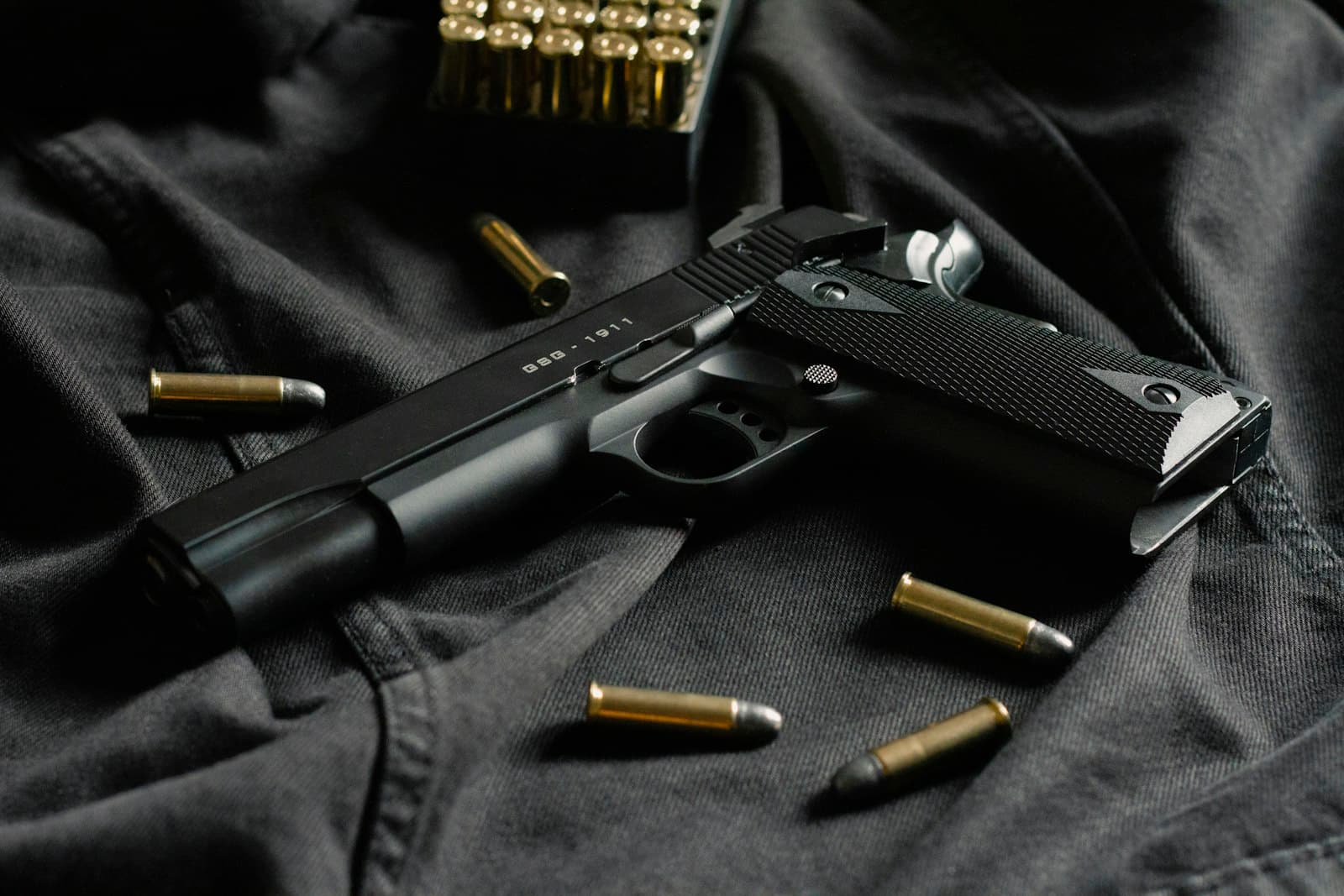 Advanced
Stress inoculation through scenario-based thinking is the difference between freezing and responding. Walk through real-world scenarios with instructor analysis and decision frameworks.
Read Article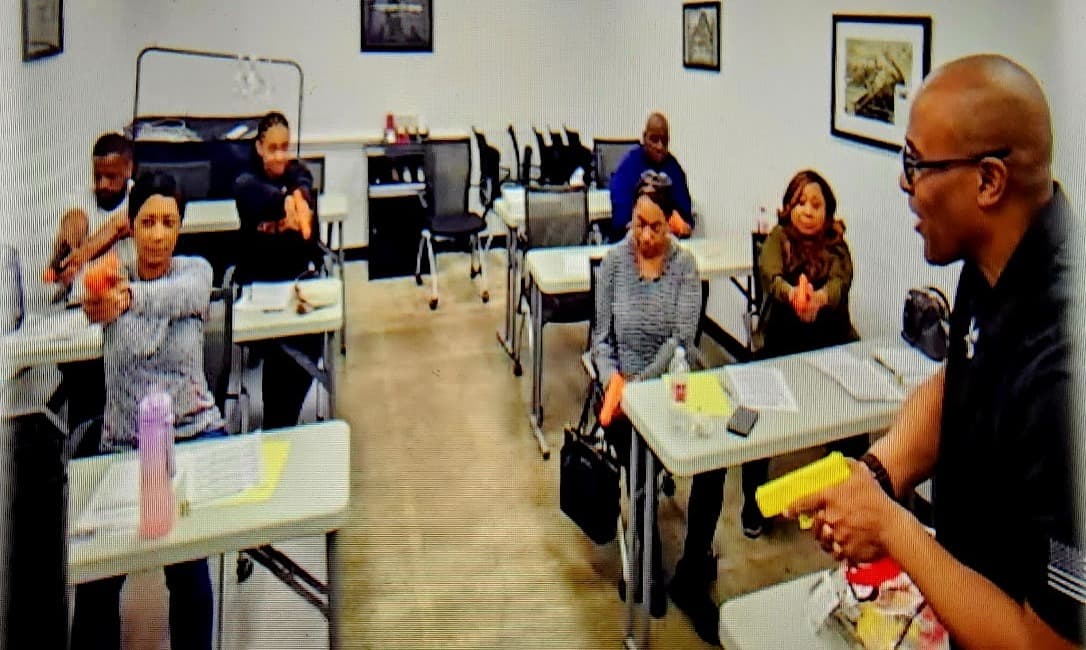 Safety
Violating just one of the four safety rules can cause a tragedy. Violating two almost guarantees it. This deep-dive explains the engineering logic behind each rule.
Read Article Women's
Self-defense is a mindset before it is a skill. This guide covers the physical, mental, and legal aspects of women's defense from instructors who specialize in women's training.
Read Article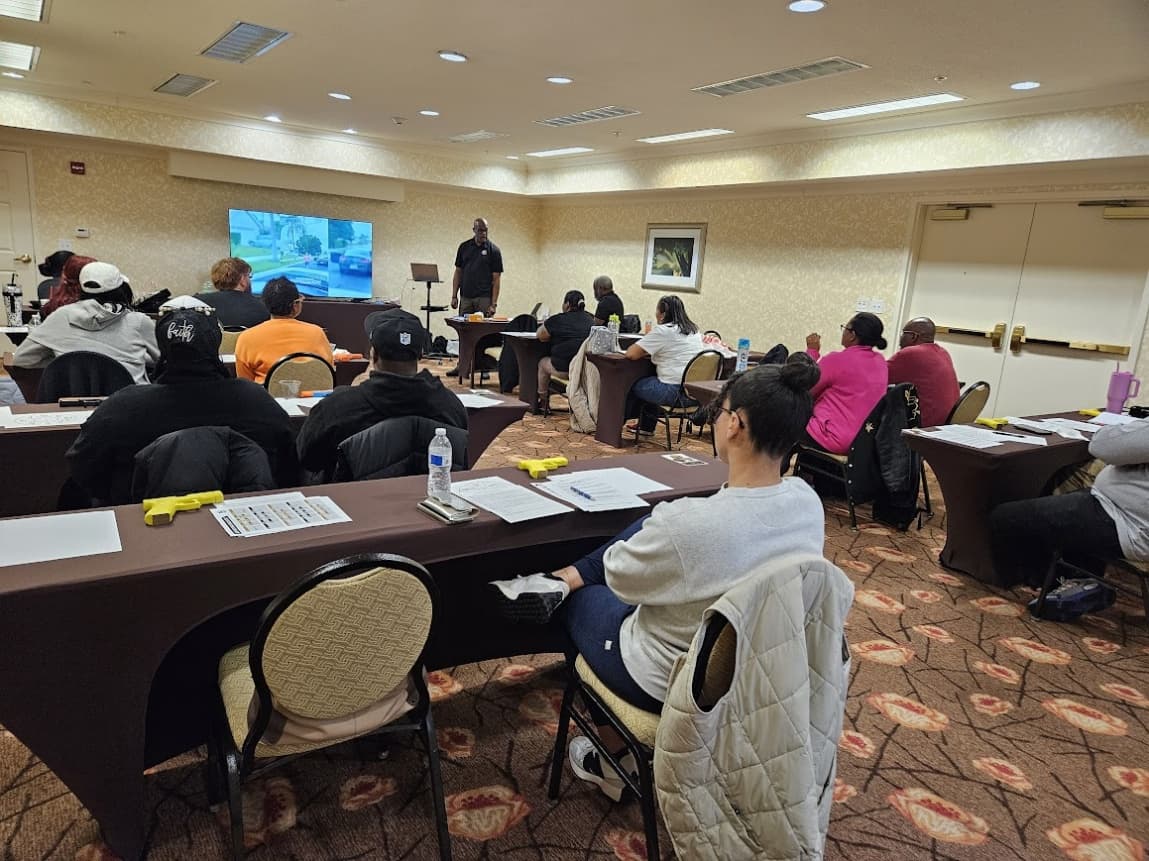 LTC
LTCThe Texas License to Carry application process has several steps, fees, and deadlines. This complete walk-through covers eligibility, the online portal, fingerprinting, and what to expect.
Read Article Career
Level II, III, and IV certifications — what each covers, how long it takes, and how Gideon prepares candidates for the Texas DPS exam and a professional security career.
Read Article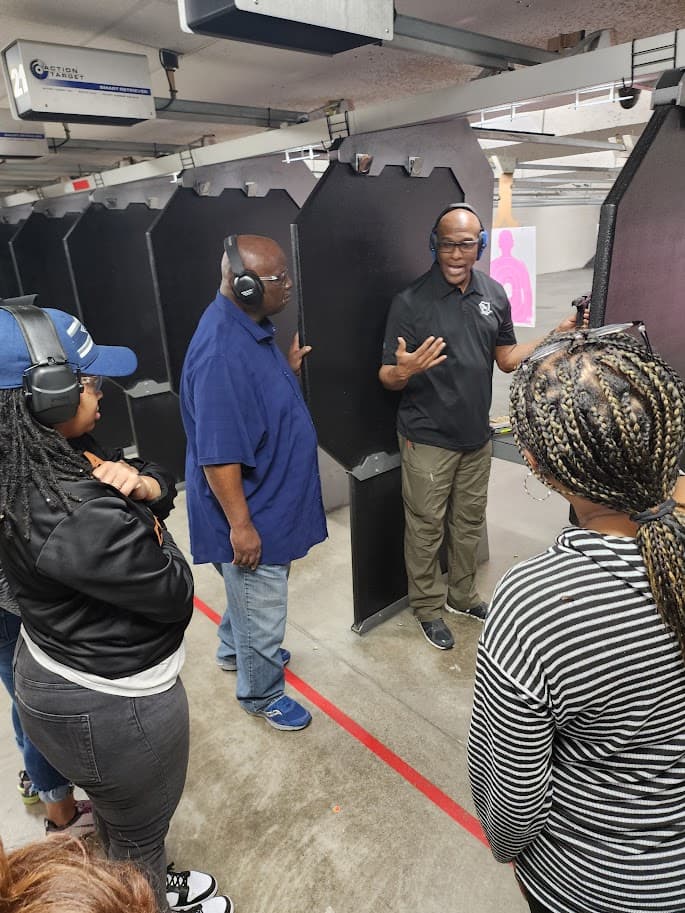 Professional
Personal Protection Officers operate in a world of anticipation, discretion, and rapid decision-making. This overview covers the skills, mindset, and professionalism required.
Read Article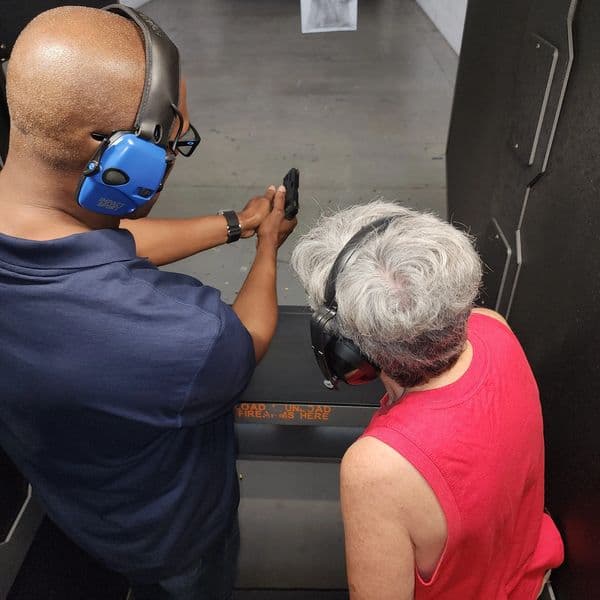 Drill
DrillIf standard range sessions feel routine, you are not growing. These five drills introduce time pressure, movement, and decision-making to force meaningful progress.
Read ArticleQuick Tips
This is Rule #1 for a reason. Whether you just checked the chamber or handed it to someone else, always handle every firearm as if it is loaded and ready to fire.
Apply approximately 60% of your grip pressure with your support hand, 40% with your strong hand. This distributes tension evenly and reduces muzzle flip between shots.
Don't just show up and shoot. Decide what you are working on before you arrive — draw speed, trigger reset, transitions, or accuracy at distance. Purposeful practice is exponentially more effective than volume.
Most people have never said 'Stop — I'm armed, I will defend myself, get out of my house' under stress. Practice saying it out loud until it becomes automatic — verbalization is a legal and tactical advantage.
Scenario Discussions
Real-world scenarios with instructor analysis. Mental rehearsal is the first step in effective defensive training.
You are returning to your car at night. A man is standing near your vehicle and begins walking toward you rapidly as you approach. You are a licensed carrier with a concealed handgun.
Instructor Analysis
This scenario tests situational awareness and de-escalation first, force as a last resort. Key decision points: create distance (change direction, return to a lit building), use verbal assertion ('Stop, don't come closer'), assess intent continuously. Drawing is only appropriate if the threat is imminent, the individual has the means and opportunity to cause serious bodily harm, and you have no safe avenue of escape. Most parking lot scenarios resolve with distance and assertion — not a drawn firearm.
You wake to a loud noise downstairs. Your spouse is in bed beside you. You have a handgun in your bedside safe. Your children are in rooms down the hall.
Instructor Analysis
Secure your family first — do not go searching. Move to a defensible choke point (your bedroom doorway) if possible. Call 911 immediately and stay on the line. Issue a verbal challenge from your position: identify yourself, warn that you are armed, and command the intruder to leave. Only advance toward children's rooms if you must reach them. Never clear your own home solo if law enforcement is minutes away — that's their job and they train for it. Your job is to protect, not confront.
A driver you cut off inadvertently is now following you aggressively, honking, and flashing lights. You are stopped at a red light and they are exiting their vehicle and approaching yours.
Instructor Analysis
Do not exit your vehicle. Drive away if traffic allows — even running a red light to create distance may be legally justified. Lock your doors. Do not make eye contact or escalate verbally. Call 911 while moving. A vehicle can be a weapon — if the individual attempts to enter your vehicle or uses their vehicle to block or ram yours, the use-of-force calculus changes significantly. The best outcome in this scenario is separation. A firearm is a last resort, not a deterrent to wave.
During a live-fire drill you experience a failure to fire. Stress levels are elevated. Other shooters are on the line. The correct response is not instinctive.
Instructor Analysis
The tap-rack-assess sequence must be automatic: tap the magazine, rack the slide to eject and chamber, assess and continue or transition. The most common malfunction error is looking at the gun — keep eyes on the target. Practice malfunction drills in every training session so the response is muscle memory, not conscious thought. In a real defensive encounter, your brain will not have bandwidth to troubleshoot a malfunction from memory.
Training Videos
Instructor demonstrations, safety tips, scenario walk-throughs, and training advice — organized by topic.
A clear, concise breakdown of the four universal safety rules every firearm owner must know and practice until they become reflex.
Instructor demonstration of the thumbs-forward grip, wrist lock, and support-hand placement that form the foundation of accurate, controlled shooting.
The holster draw is the highest-risk movement in concealed carry. This demo breaks it into four distinct phases and shows common errors to avoid.
Step-by-step scenario discussion: what to do when you hear a door or window breach at 2 AM. Covers communication, positioning, verbal challenge, and when force is justified.
Instructor tips for setting up a productive, safe dry-fire session at home — including target placement, drill selection, and how to track progress over time.
Plain-language overview of the Texas License to Carry statute — where you can and cannot carry, duty-to-inform requirements, and the legal use of force.
Downloads
Printable checklists, planning guides, and reference sheets. Free to download and share.
A printable reference covering the four cardinal rules, safe storage protocols, and a pre-range inspection routine. Suitable for home posting or range bag.
Download ChecklistA step-by-step worksheet for building your household's layered defense plan — covering entry points, communication plans, safe rooms, and firearm readiness.
Download GuideEverything you need to bring and verify before your range session: ammunition, eye/ear protection, firearm condition, and a focused training intention.
Download ChecklistRecommended gear for new firearm owners — quality storage options, cleaning supplies, safety devices, and first training accessories at every budget level.
Download GuideReady to Train?
Articles and videos can take you far — but there is no substitute for hands-on instruction with a certified instructor. Browse our full course catalog and find the training that fits your goals.